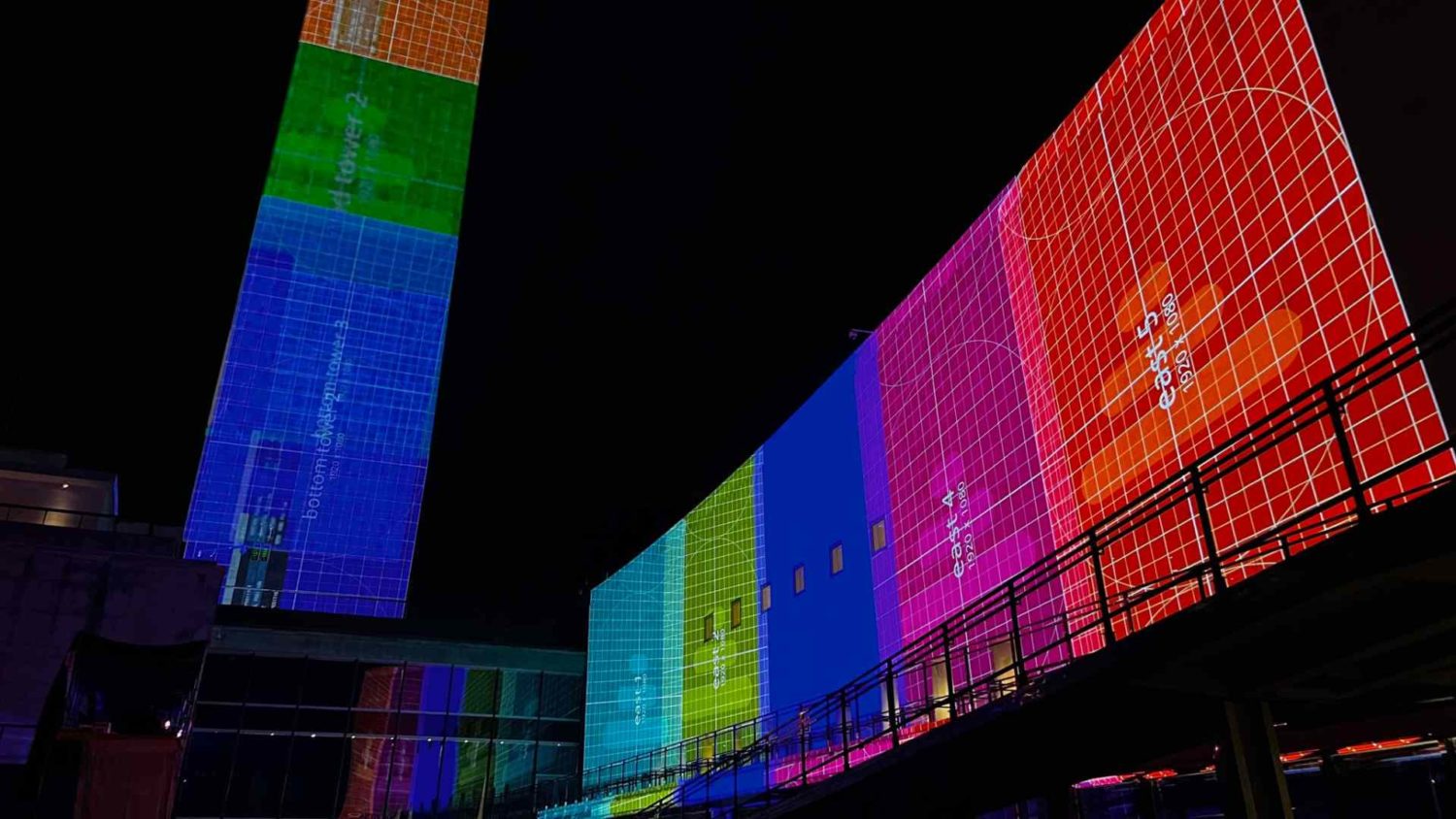
PROJECTION MAPPING BASICS
Live events, whether a championship game, a concert, or a large-scale brand activation, are built around unforgettable moments. One of the most effective ways to elevate these experiences is through video projection mapping. Projection mapping uses high-brightness laser projectors, advanced media servers, and precise calibration to transform surface into a dynamic digital canvas. From sports arenas and stadiums to architectural facades and immersive environments, projection mapping delivers seamless, large-format visuals that engage audiences and enhance storytelling in real time.
At Quince Imaging, projection mapping is both a creative discipline and a proven technical solution. In this guide, we break down projection mapping basics; what it is, how it works, common use cases, system requirements, key variables that affect performance, cost considerations, and best practices for achieving reliable, high-impact results in live event environments.
What is Projection Mapping?
Projection-Mapping uses video projection technology to transform objects, often irregularly shaped like buildings and arenas, into a display surface for two or three-dimensional images using specialized software to warp and blend the images to fit the surface perfectly. Using algorithms to imitate real environments, the image can be programmed to be accurate display on an atypical projection surface, turning any surface into a vibrant, artistic video performance. To make the live event experience even more dynamic, several video sources can be projected onto various surfaces from a single projector. Holographic projections can also be incorporated for a truly authentic experience.
Why Use Projection Mapping?
With social media at their fingertips, audiences are used to being engaged visually for a multisensory experience. For live events, projection mapping is a great tool to enhance your event and engage your audience by distinctively telling your story. These pulsating video displays will have a lasting impact on your message, campaign, or brand. Simply put, projection mapping immerses the audience in an experience, capturing their attention and ultimately increasing brand recognition by creating a viral moment perfect for social media and invaluable word-of-mouth marketing from awe-struck audiences, providing benefits that beat what most, if not all, conventional marketing campaigns can provide.
What Can You Project Map Onto?
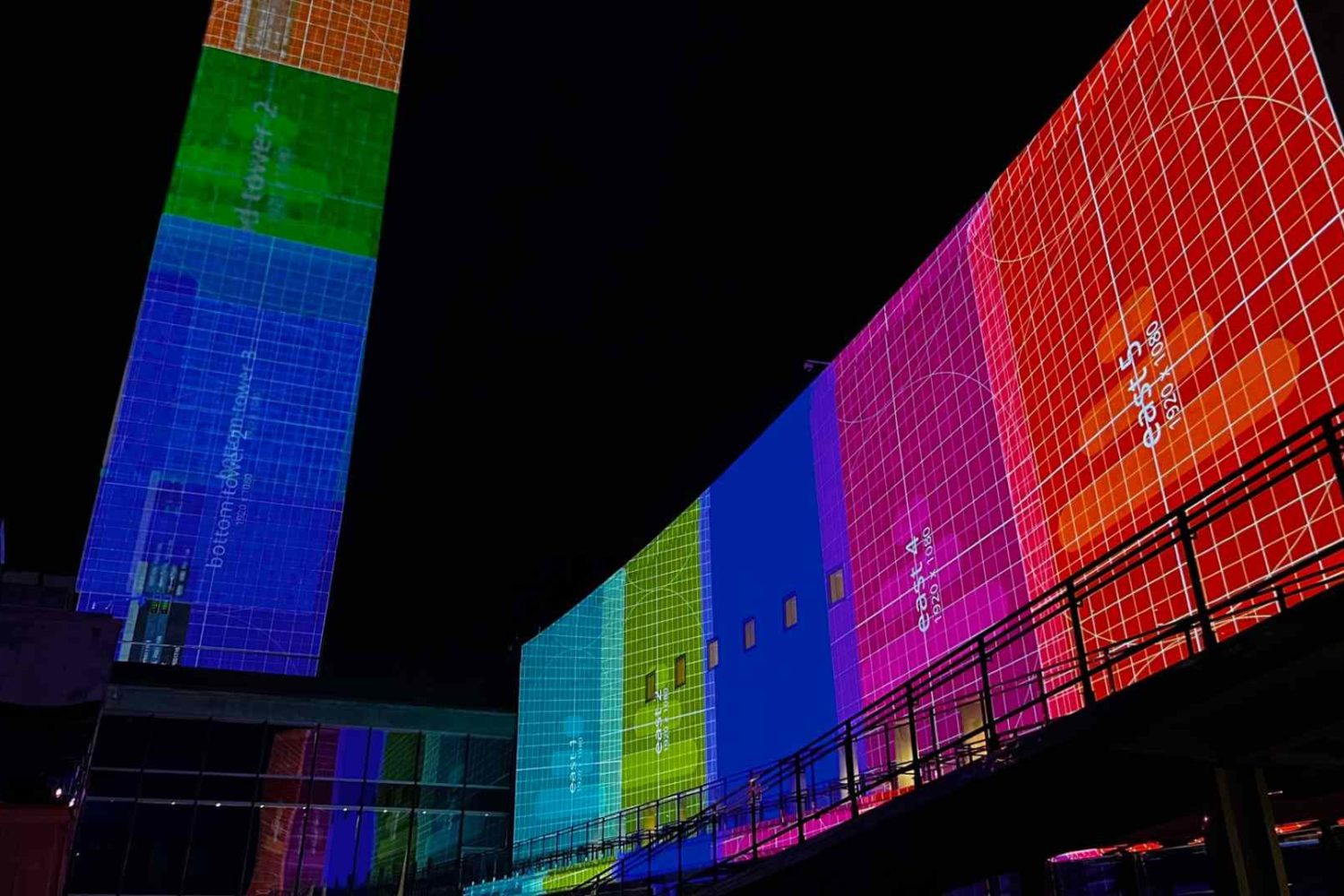
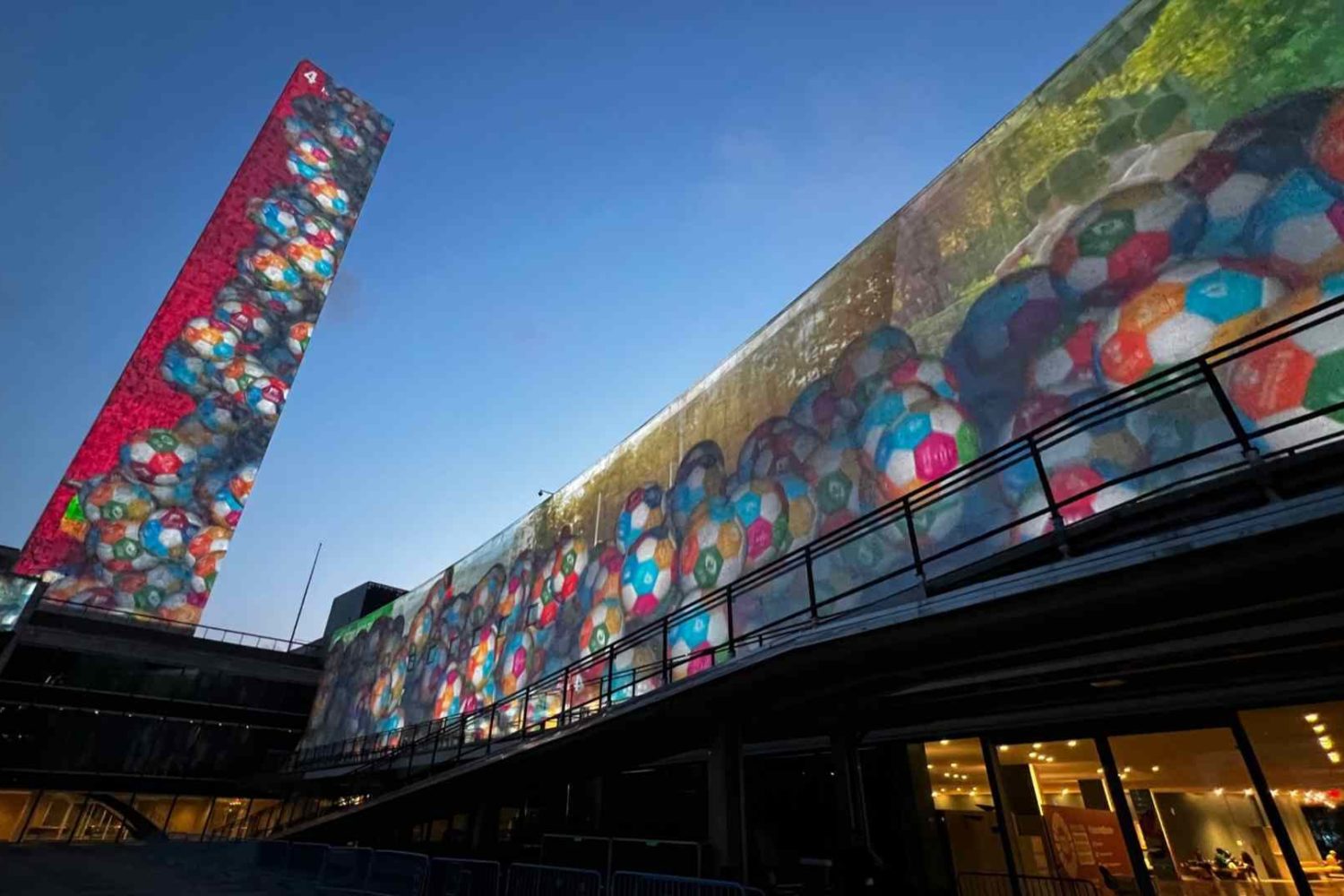
Projection mapping is a technique that allows you to project video and images onto non-flat surfaces, such as buildings, sports-playing surfaces, sculptures, or other 3D objects. For a deep dive read our blog post on the best locations for projection mapping. Some common surfaces that can be projection-mapped include:
- Building Facades & Walls: Transform interior or exterior surfaces into dynamic visual canvases for concerts, festivals, brand activations, and launches
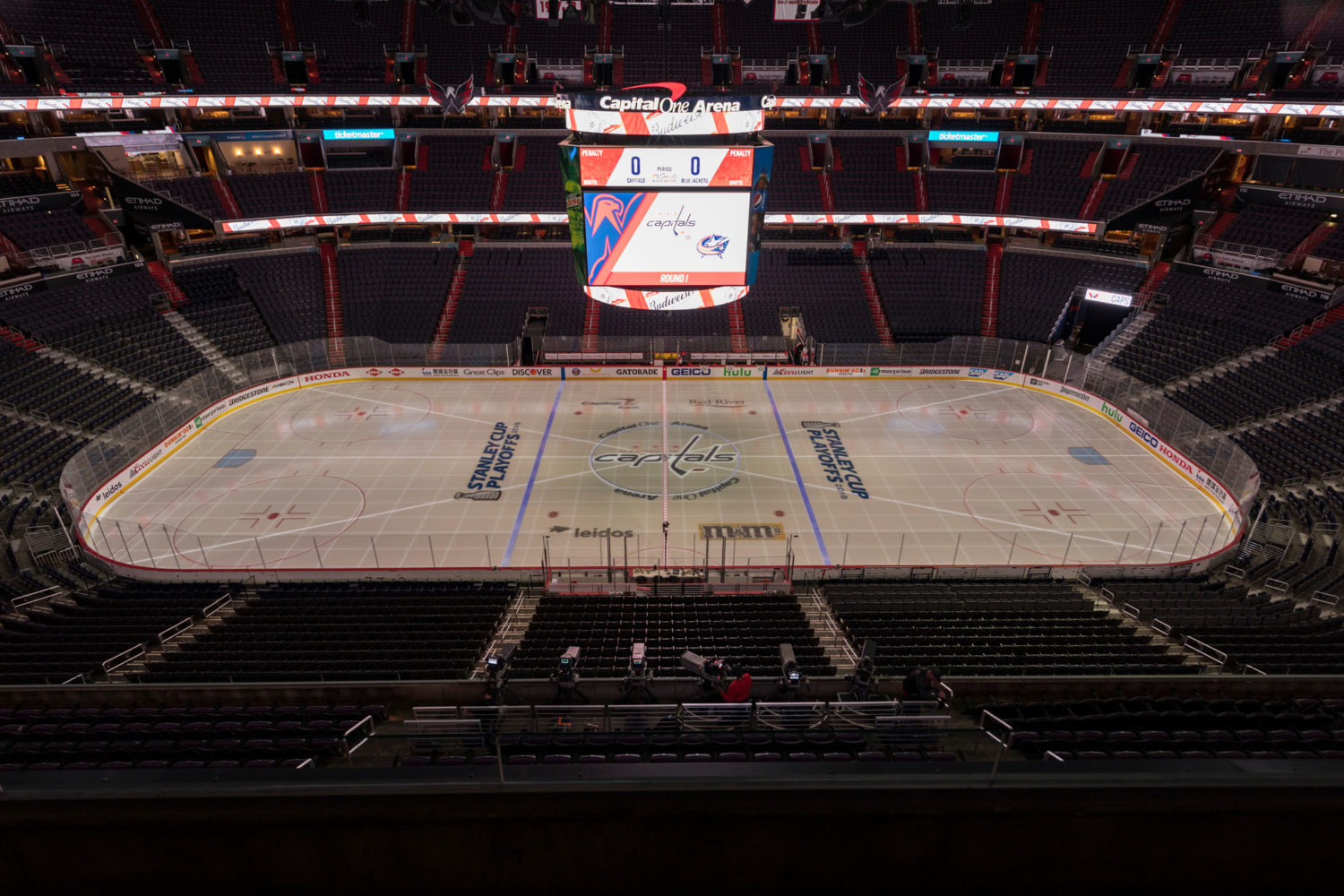
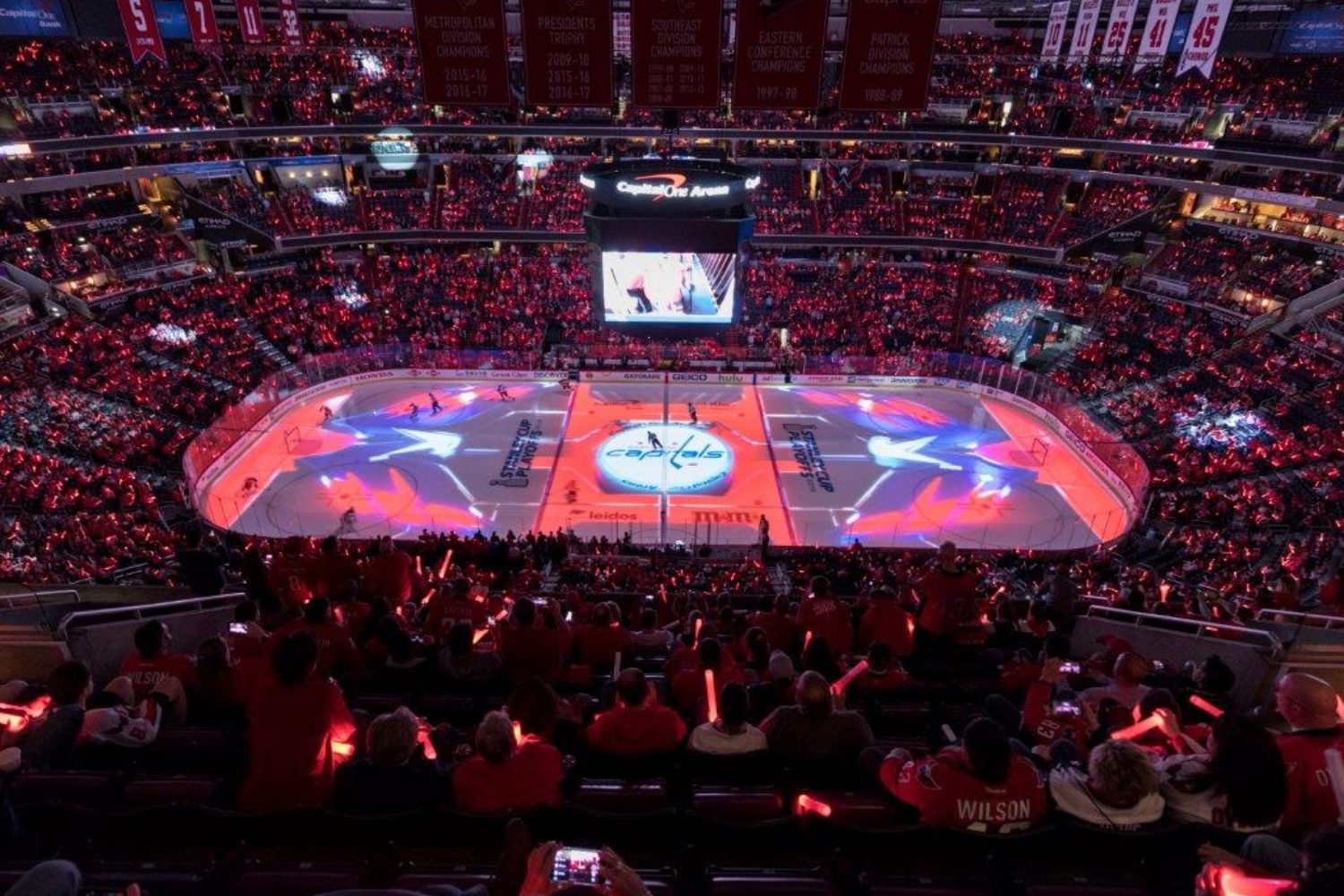
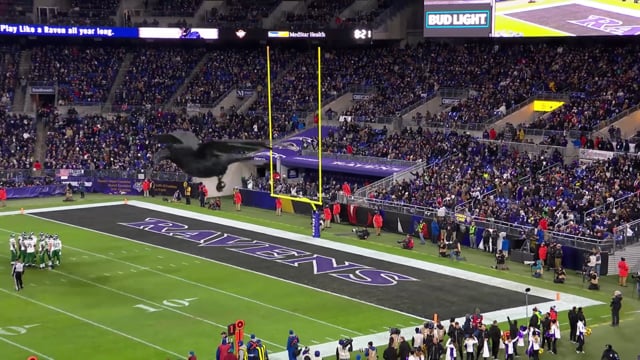
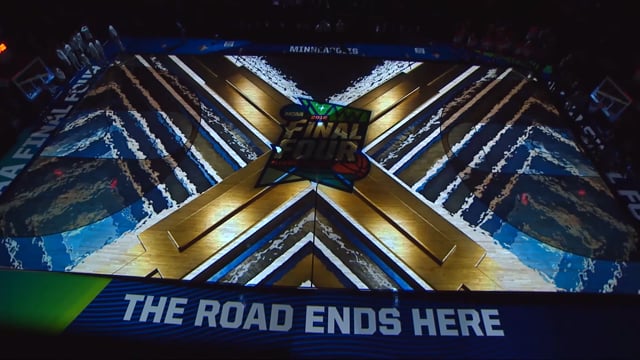
- Sports Courts, Fields & Ice: Elevate game presentation by projecting directly onto playing surfaces like basketball courts, football fields, and hockey ice
- Sculptures & 3D Objects: Bring physical forms to life with mapped visuals for interactive installations, exhibits, and special events
- Immersive Rooms & Environments: Turn walls, floors, ceilings, and custom structures into fully immersive, surround-visual experiences
- Stages & Scenic Elements: Animate stages, set pieces, and backdrops with content that adapts in real time to awards, galas, performances, speakers, and brand messaging.
Download Projection Mapping Basics E-Book
Projection Mapping Hardware
- High-Brightness Projectors: Commercial-grade laser projectors from Christie Digital, Panasonic, Epson, and Barco, selected based on surface size, brightness requirements, and ambient light conditions.
- Media Servers: Enterprise-class media servers from Disguise & Pixera, supporting 3D previsualization, frame-accurate playback, live show control, and precise projection alignment.
- Rigging & Mounting: Truss, mounts, and custom-engineered structures from companies like IA Stage designed for precise angles, throw distances, and safety compliance.
- Control Systems: Interfaces like Q-SYS that trigger content and synchronize projection with lighting, audio, automation, and show cues.
- Networking & Signal Distribution: Fiber and high-speed data infrastructure from companies like Netgear ensure reliable, low-latency performance across complex systems.
- Power & Environmental Support: Stable power distribution, backup options, ventilation, and environmental protection for indoor and outdoor deployments.
Projection-Mapping Software
To projection map an ice hockey rink, football field, or building, you will need to set up multiple projectors and a computer media server running one of the software programs listed below. You will also need a way to control the software, such as a MIDI controller or a touchscreen interface.
- Ventuz: Ventuz is a professional-grade projection mapping software for various applications, including live events and entertainment, architecture, and design.
- MadMapper: This professional-grade projection mapping software is widely used in the live events and entertainment industry.
- Resolume: This is another popular software for projection mapping, particularly for music and visual performances.
- TouchDesigner: This is professional-grade software often used for projection mapping, particularly in the architecture, design, and entertainment industries.
- Isadora: This software program is specifically designed for real-time video and projection mapping.
Projection-Mapping Variables to Consider
- Project Location
- Interior vs. Exterior
- Projection Display Size
- Access to Power
- Content Delivery
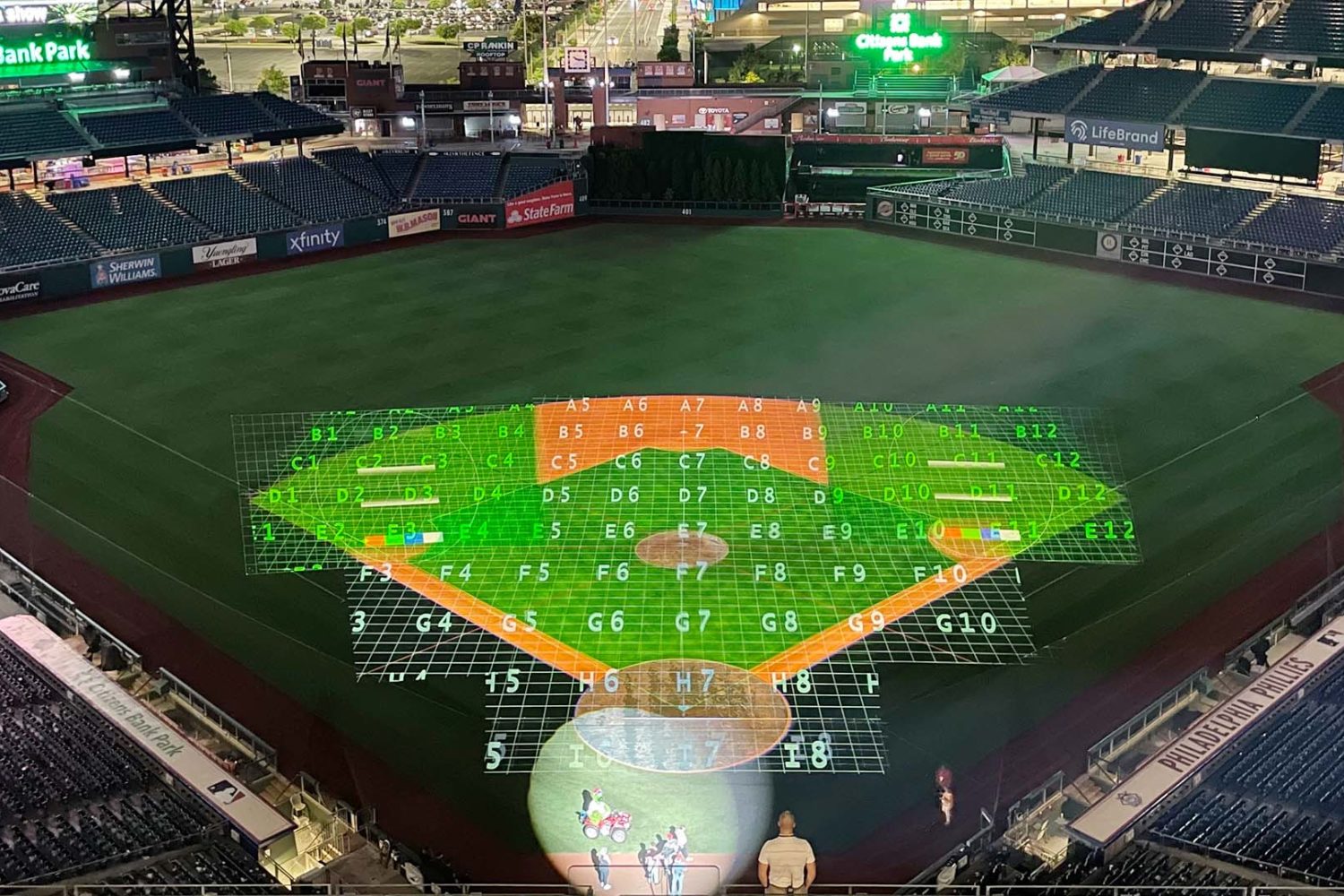
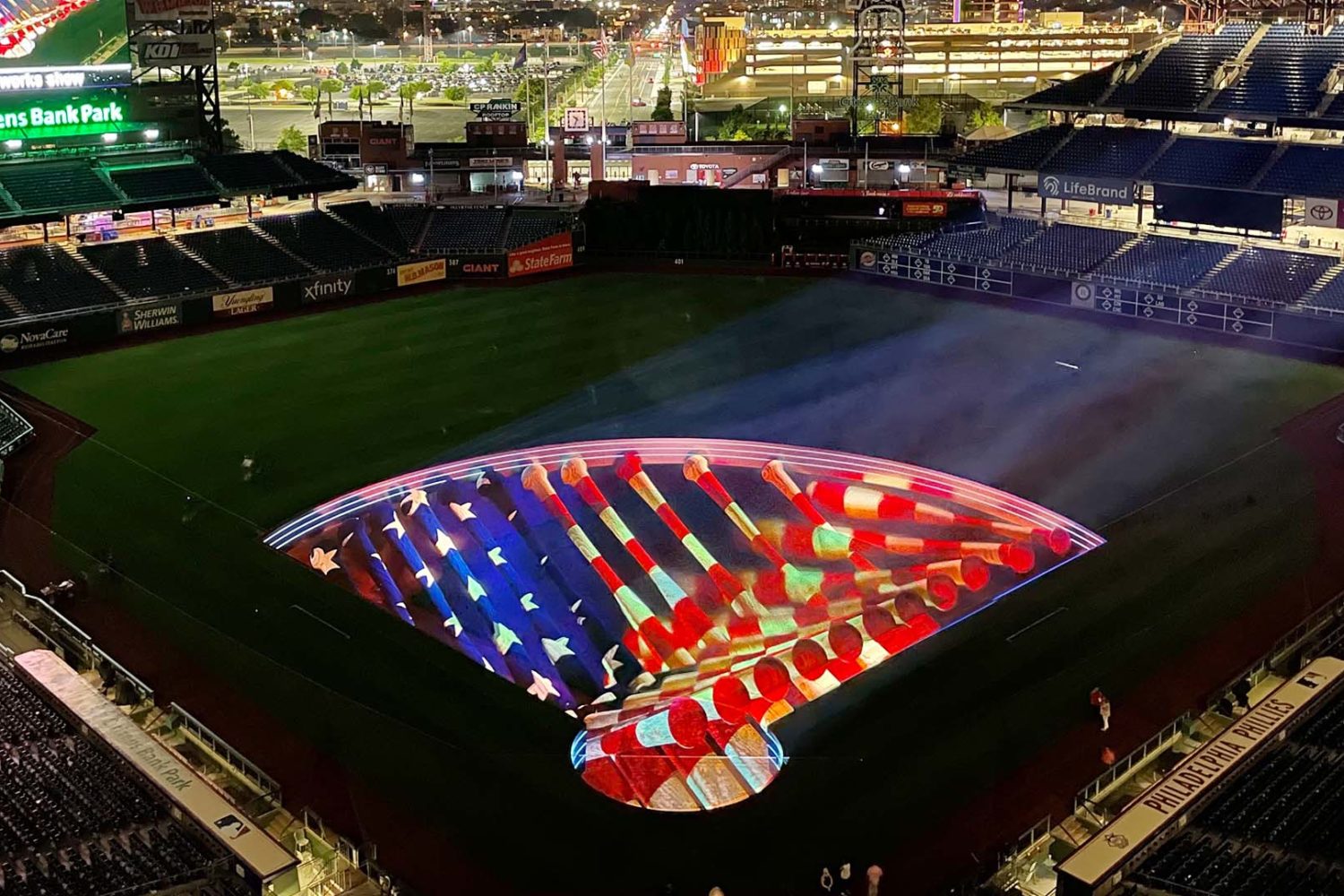
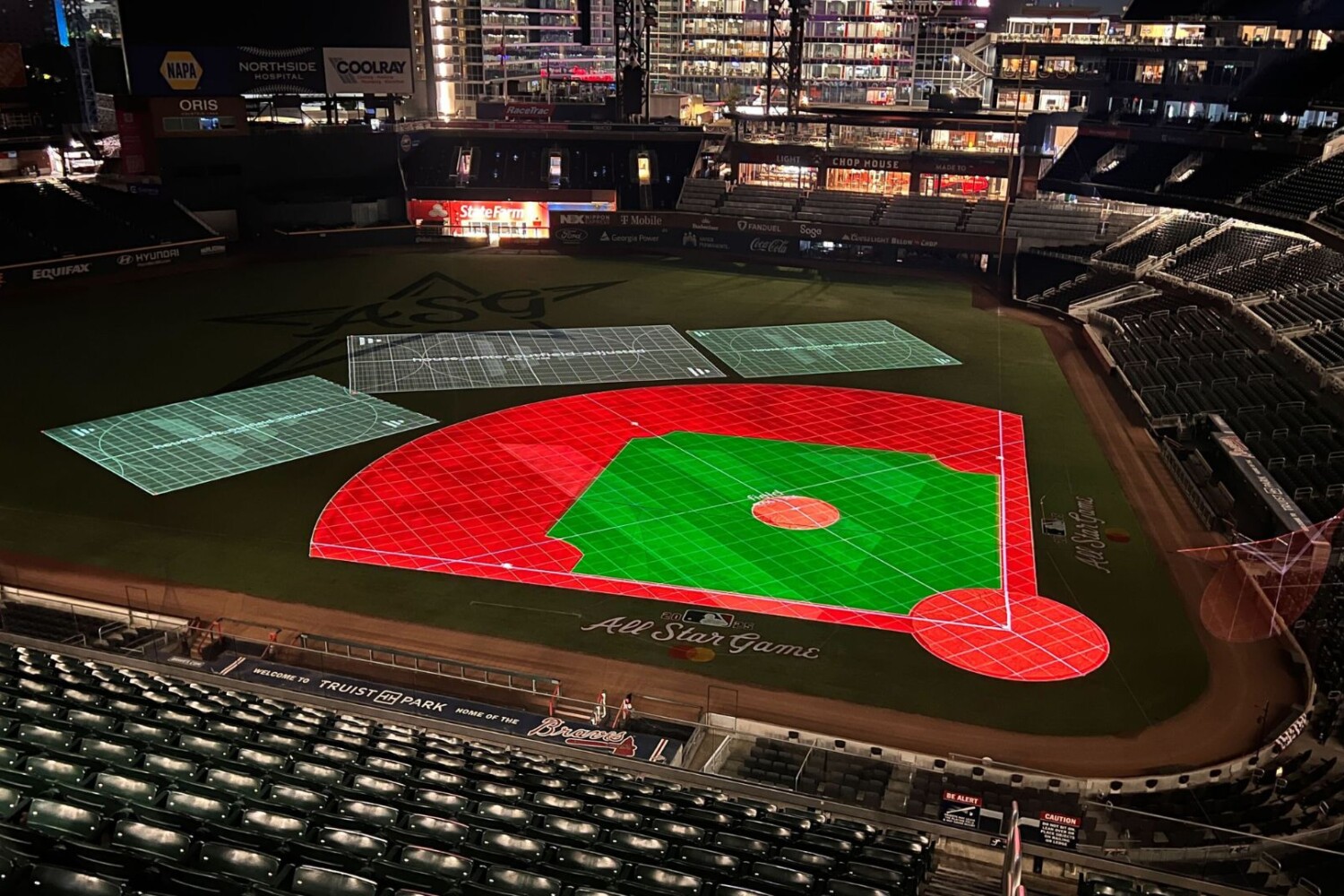
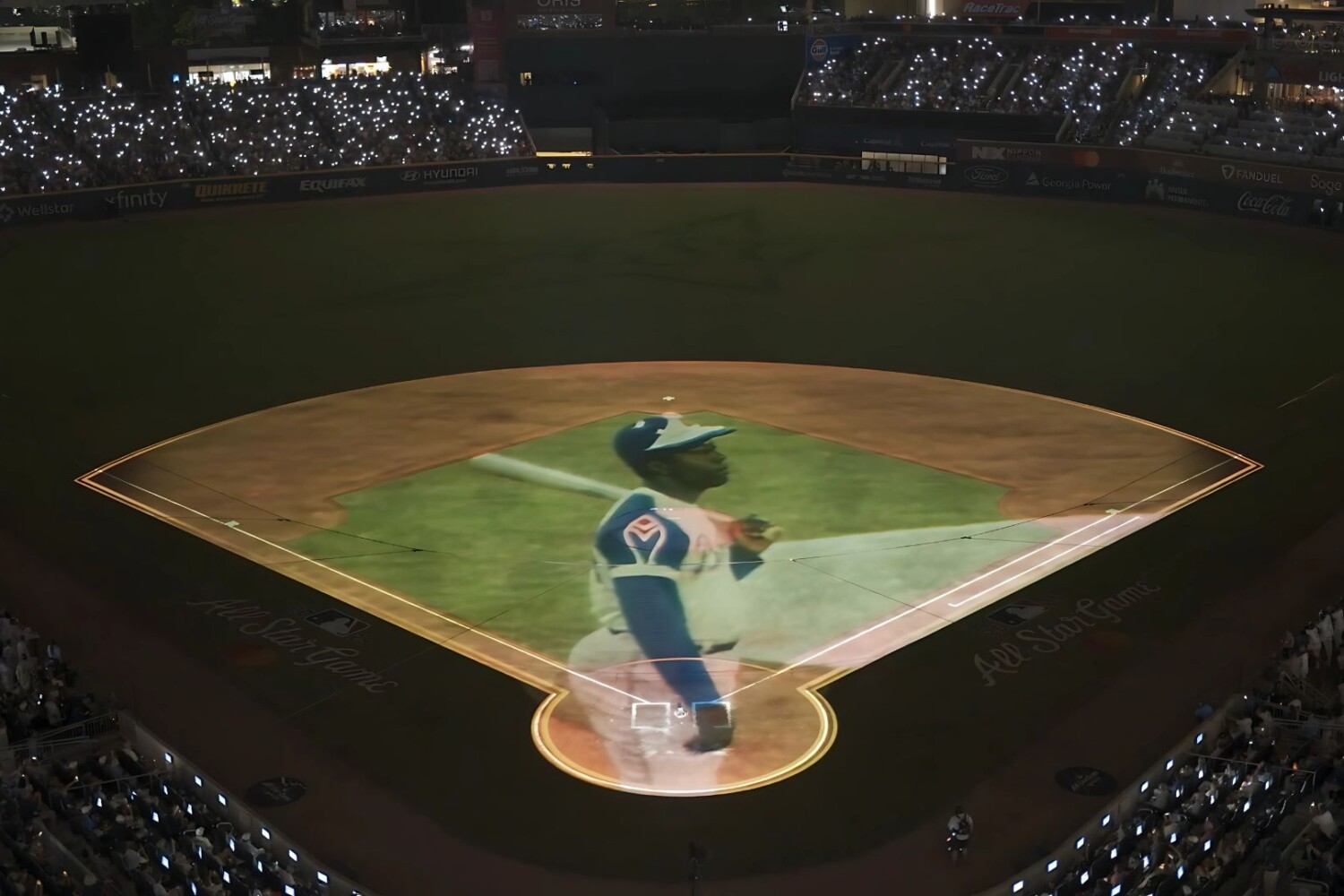
Projecting on a court surface, such as a basketball or volleyball court, is usually a more straightforward process than when it comes to projecting onto a baseball field which requires specific technical details based on the shape and the angle of the projectors. In comparison, an outside field, such as a football field, is somewhat more accessible as it does not require following a specific shape, like the baseball diamond.
The biggest thing to consider when mapping projection is the viewing angle and the number of fans with a good, elevated view of the court. Designs that provide an immaculate view close up, such as when standing directly on the court, are more high resolution than the standard hi-res typically provided, significantly increasing costs. One large projector can fill most of the court using a unique lens for arenas or gyms that can go dark. Depending on the image, some projects may be able to consider a moving mirror that attaches to the projector and can be programmed to move visuals around the venue.
Bottom line – when it comes to projection mapping, plenty of options are bound to suit your needs. See our blog post on the best locations for projection mapping.
How to Get An Accurate Projection Mapping Estimate
To get an accurate projection mapping estimate, start by sharing CAD files, architectural drawings, or 3D models of your venue. These help Quince Imaging analyze projection geometry, viewing angles, and lighting conditions. A site survey then verifies dimensions, rigging points, and power access to determine ideal projector placement and lens selection.
After specs are confirmed, Quince Imaging provides a detailed proposal covering equipment, content production, and installation logistics. Typical project timelines run 30–90 days from design to deployment, with installation completed in just a few days. Clients share a creative brief and assets, which our team enhances with custom content for an immersive result.
How Much Does Project Mapping Cost?
Projection mapping pricing depends on several key factors, including venue size, surface coverage, brightness requirements, system complexity, content needs, and whether the project is temporary or permanent. For professional, large-format projection mapping, entry-level projects typically begin around $90,000–$120,000 for short-term or single-event deployments, not including custom content.
More technically demanding environments—such as baseball field projection mapping—often range from $200,000 to $300,000+, driven by extreme projection angles, long throw distances, higher brightness requirements, and complex calibration workflows. Football fields and basketball courts generally fall between $125,000 and $250,000, depending on the amount of field or court coverage, brightness levels, redundancy, and integration with live show control systems.
For permanent college arena installations, total system costs typically start around $900,000 and can exceed $2 million, depending on projector count, infrastructure, control systems, content workflow, redundancy, and long-term support requirements. These systems are designed for multi-season use and consistent, repeatable performance.
To better understand what drives these costs, and how to scope a project correctly, watch our webinar, where we walk through real-world examples, technology options, and key variables that impact budget and performance.
Projection Mapping Examples