
How Immersive Technology Is Transforming Live Events & Experiential Activations
In today’s experience-driven economy, audiences expect more than traditional advertising. Consumers want interactive, visually captivating environments that allow them to participate in a brand’s story. Immersive technologies such as projection mapping, holographic displays, and large-scale LED video walls provide event producers and marketing agencies with powerful tools to create these experiences.
By transforming buildings, venues, and event spaces into dynamic canvases, immersive technology enables brands to deliver unforgettable moments that resonate with modern audiences. For companies focused on brand equity and experiential engagement, immersive installations offer a powerful combination of storytelling, technology, and social media amplification.
Why Immersive Experiences Build Stronger Brand Equity With Audiences
Experiential marketing succeeds when it creates emotional connections between brands and audiences. Immersive technologies elevate this connection through visual storytelling and interactive environments.
Enhanced Brand Storytelling
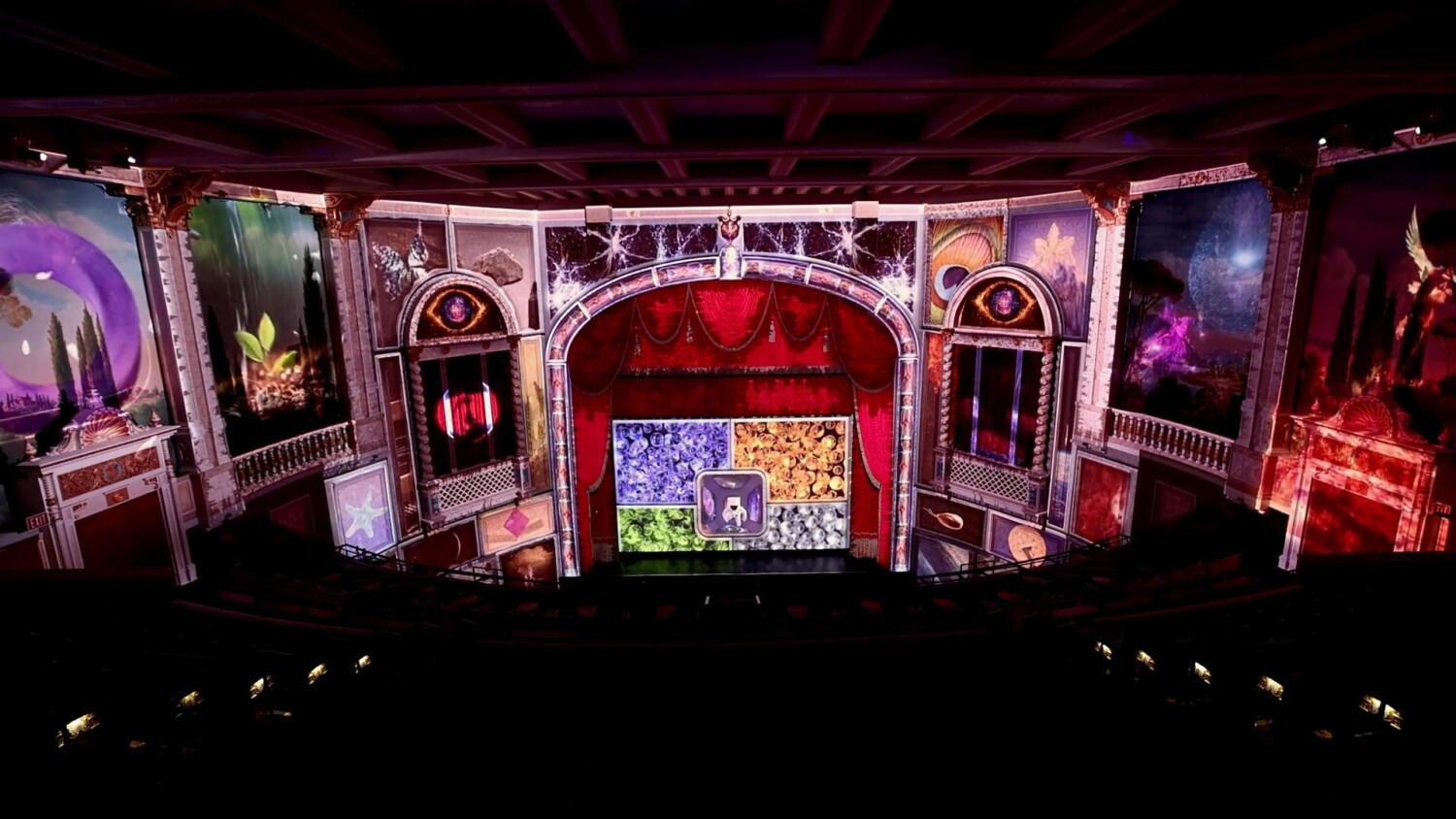
Projection mapping allows brands to transform physical spaces into dynamic narratives. From architectural mapping on buildings to projection-mapped dining tables, these installations immerse audiences directly within a brand’s message.
Viral Social Media Engagement
Modern consumers document experiences through platforms such as Instagram, TikTok, and YouTube Shorts. Immersive activations naturally generate shareable content, extending brand reach far beyond the physical event.
Scalability Across Events
Projection mapping and LED display systems can scale across various event types, including:
- Corporate brand activations
- Product launches
- immersive dining events
- trade show exhibits
- sports and entertainment presentations
William & Mary Immersive Dining Experience
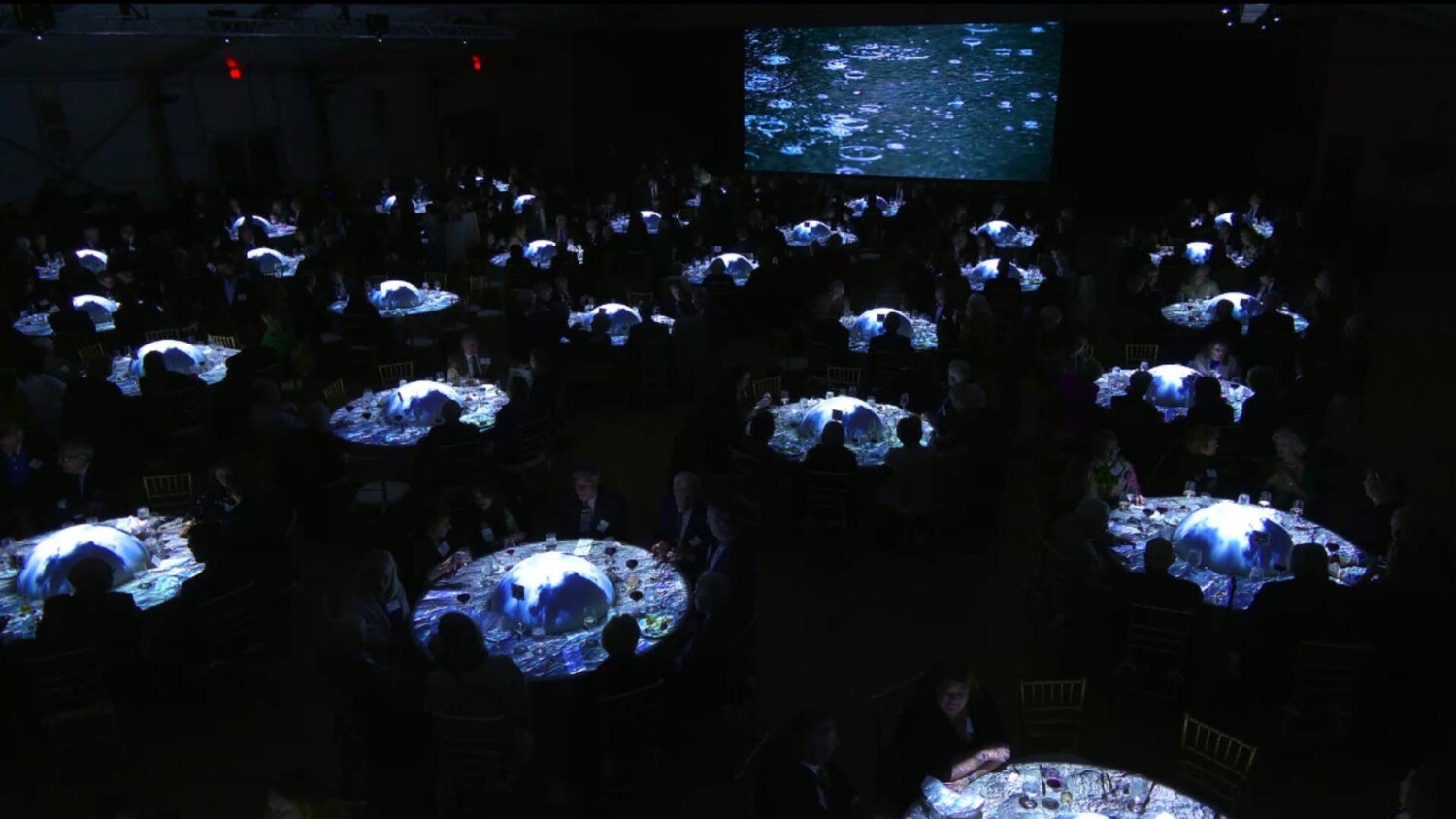
A recent immersive activation at William & Mary demonstrates how projection mapping and LED displays can transform traditional events into dynamic storytelling environments.
The immersive dining experience reimagined the traditional gala format by turning each dinner table into a visual storytelling platform.
Projection Mapping on Dining Tables
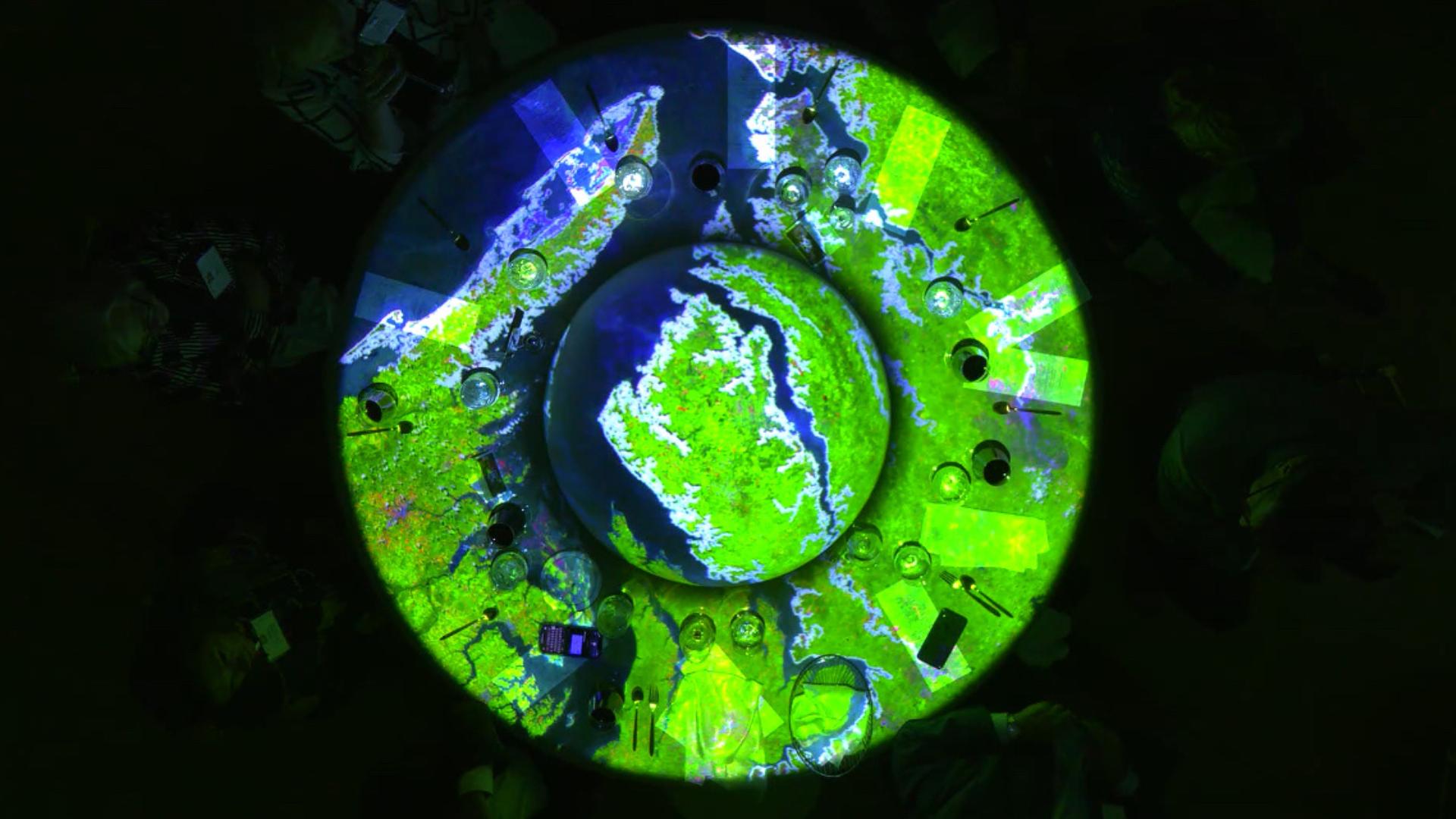
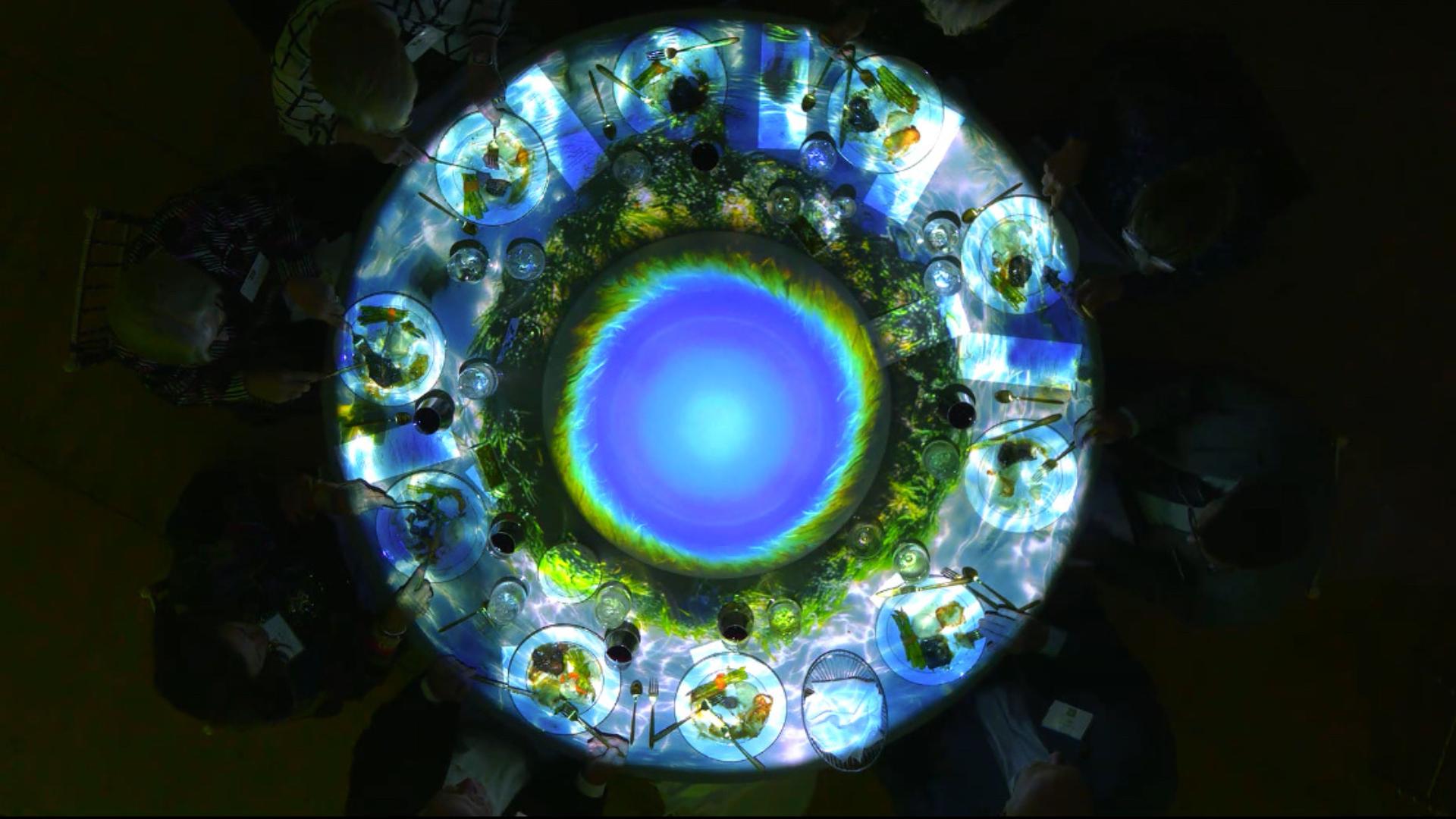
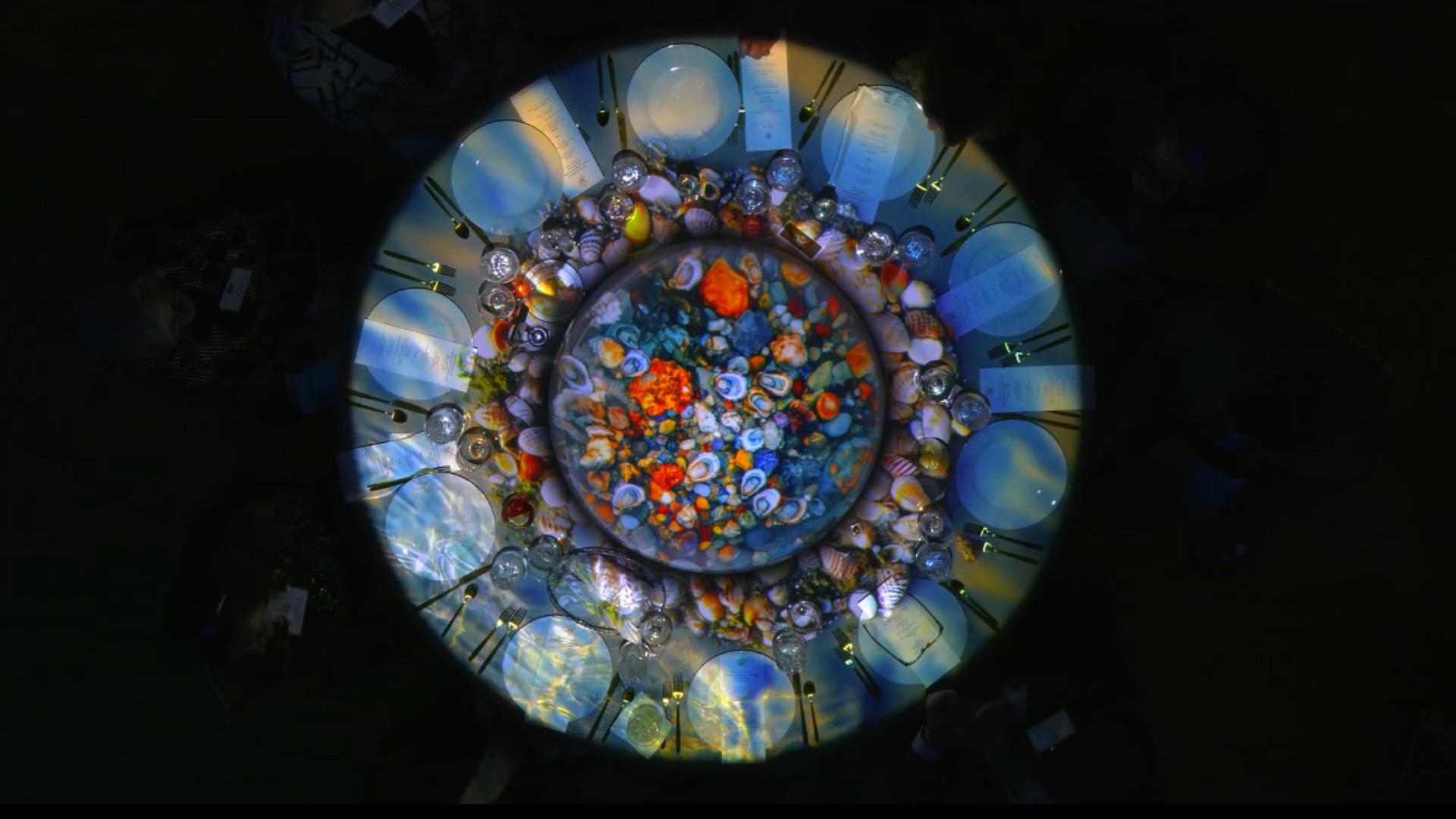
Each of the 42 dinner tables became a dynamic visual canvas using 8K Epson laser projectors.
Projection-mapped ocean imagery evolved throughout the evening, synchronizing visuals with each dining course. Guests experienced a multi-sensory journey where food, visuals, and storytelling merged into a cohesive experience.
LED Video Display Integration
Large-scale LED video displays surrounded the dining environment, extending the immersive atmosphere throughout the venue.
These displays synchronized with the table projections, creating a cohesive visual ecosystem that surrounded guests with branded storytelling content.
Brand and Sponsor Integration
Immersive environments also provide powerful opportunities for brand partnerships and sponsor activations.
Sponsors can integrate messaging into projection content, interactive displays, and environmental storytelling moments, delivering meaningful brand exposure within an unforgettable experience.
The William & Mary event demonstrates how immersive technology can transform attendees from passive observers into active participants.
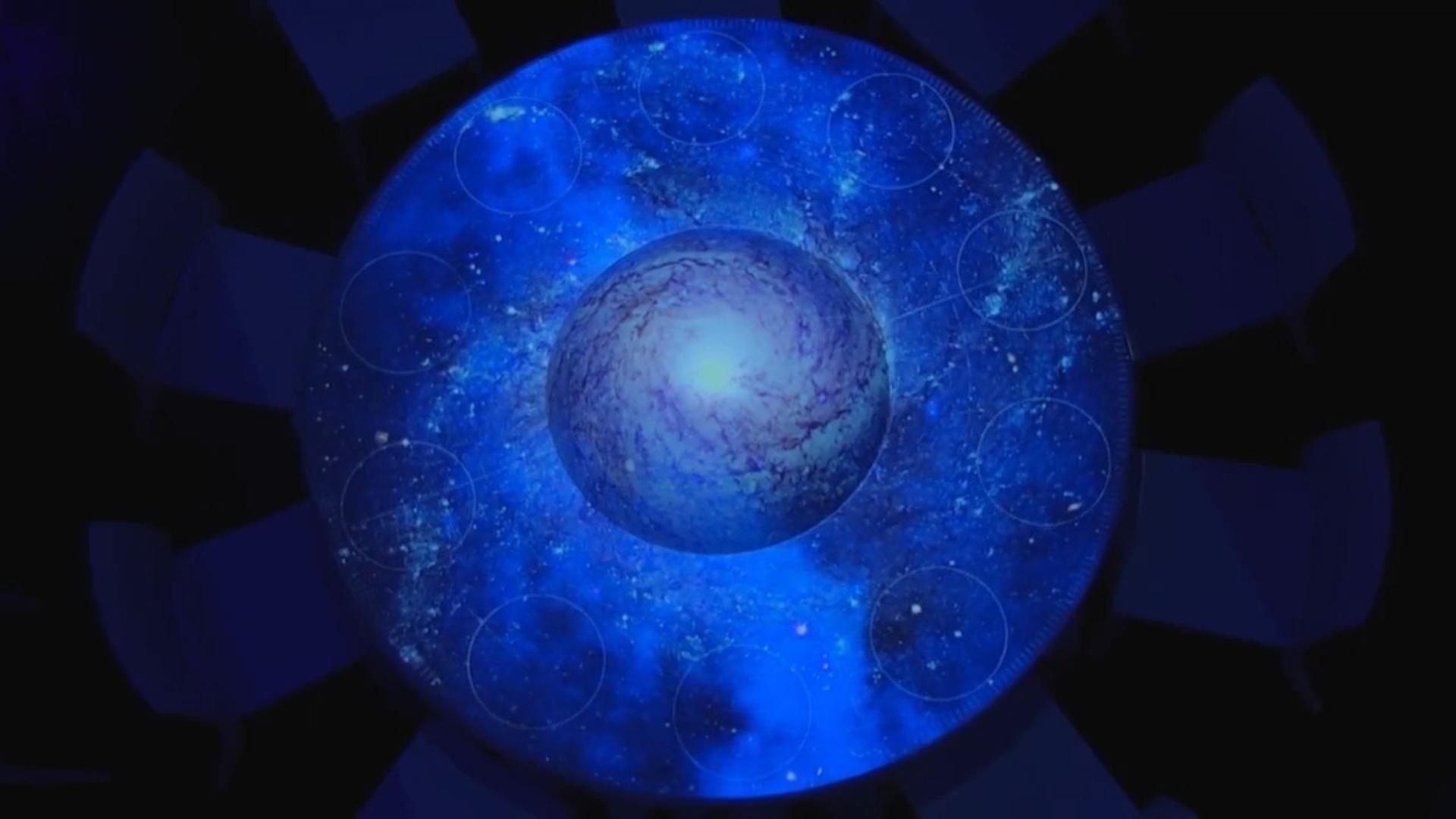
Use Projection Mapping to Transform Storytelling
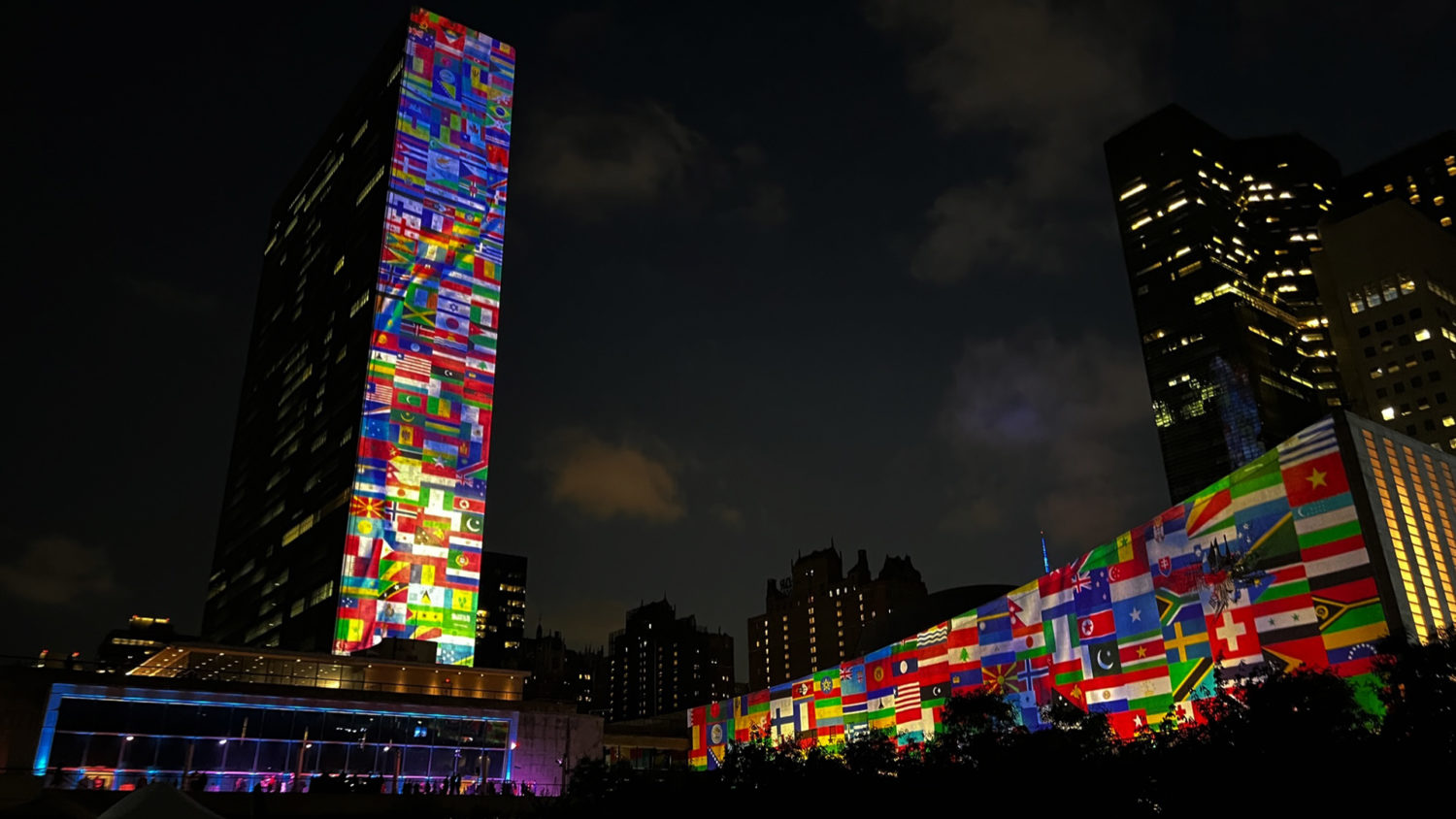
Instead of relying on static presentations or traditional stage design, projection mapping can turn any surface into a storytelling platform.
Buildings, tables, floors, and scenic elements become dynamic canvases that deliver brand narratives through motion graphics and animation.
Example applications include:
- Brand history storytelling experiences
- Product evolution animations
- Immersive architectural displays
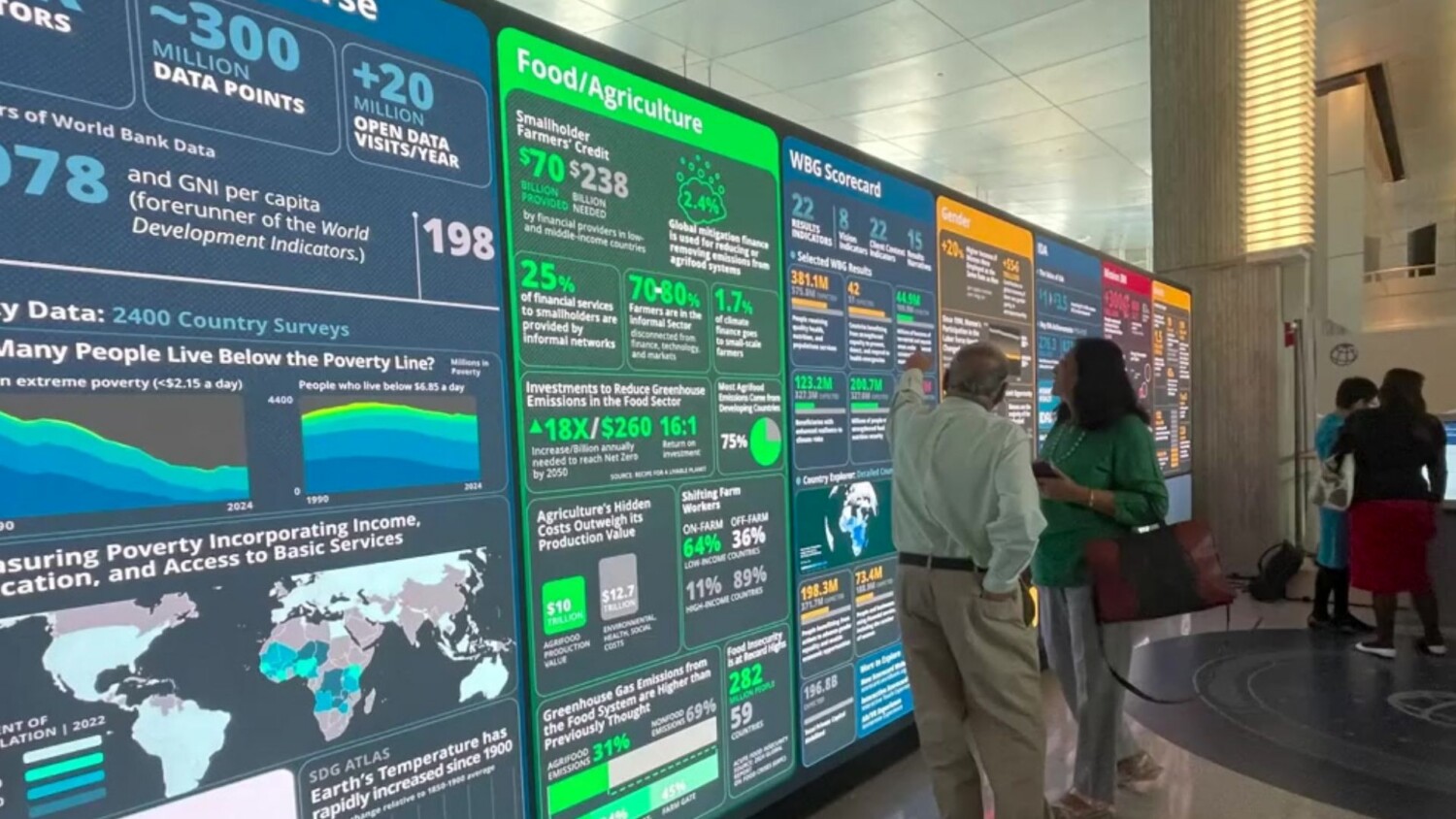
Leverage LED Displays for Interactive Engagemen
Large-scale LED displays deliver vibrant visuals with flexibility for interactive content.
These displays can integrate motion sensors, real-time data, or audience participation features to create dynamic brand experiences.
Examples include:
- Interactive retail activations
- Real-time sports data visualizations
- Immersive stage environments
Design Experiences for Social Media Sharing
Experiential installations should be designed with social content in mind.
Photo-ready immersive environments encourage attendees to capture and share the experience across platforms.
Examples include:
-
projection-mapped art installations
-
interactive immersive rooms
-
large-scale architectural mapping
These shareable moments extend brand visibility far beyond the physical event.
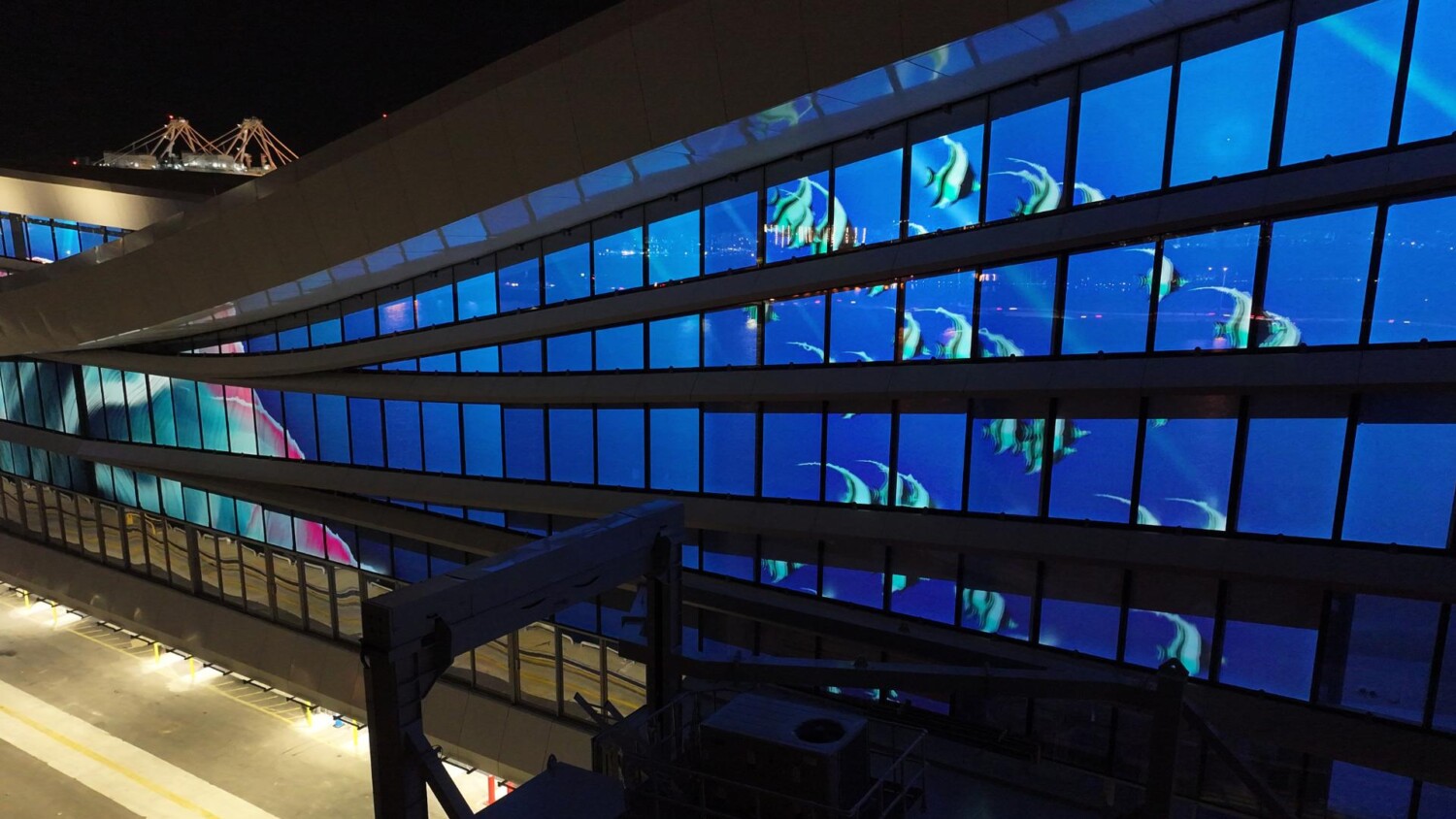
Combine Multi-Sensory Elements
The most powerful immersive experiences combine multiple sensory elements, including:
- projection visuals
- spatial audio
- synchronized lighting
- tactile or interactive technology
When combined, these elements create an emotional environment that strengthens brand engagement.
For example, automotive brands often use immersive displays to allow guests to customize spaces in real time, integrating visuals, lighting, and sound.
The Future of Experiential Marketing
As consumer expectations continue to evolve, immersive technology will become a central component of experiential marketing strategies. Brands that invest in immersive storytelling will gain a competitive advantage by delivering memorable environments that audiences want to share and revisit.
Companies like Quince Imaging specialize in designing and delivering these immersive experiences for marketing agencies, sports venues, and corporate events. From projection-mapped dining environments to large-scale event activations, immersive technologies continue to redefine how brands connect with audiences in physical spaces.